

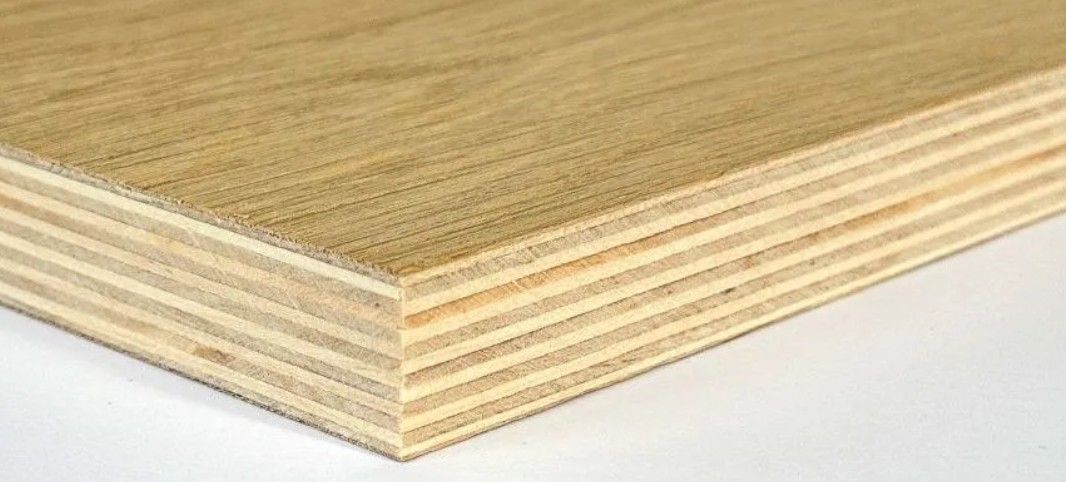
A Comprehensive Guide to Oak Veneered Plywood Introduction When it comes to decorative panels, there are numerous options available in the market. One of the most popular choices of species is oak. But do they make oak plywood? And if so, is oak plywood good for your construction or furniture needs? In this blog post, we will delve into the world of oak veneered plywood and oak faced plywood, answering these questions and more. Do They Make Oak Plywood? Yes (and no). Oak veneered plywood is manufactured in the UK and is usually made to order, due to the range of thickness, panel sizes, veneer slicing options and face grades. We offer this with a birch plywood core, poplar plywood core or pine plywood core. We also offer MDF or chipboard cores. Solid Oak plywood (or Oak throughout plywood) is not commercially manufactured. The cost of the material would be prohibitive and the availability of logs is not sufficient to sustain making oak plywood on a commercially viable scale. What is Oak Plywood? When we discuss oak plywood, we really mean oak veneered or oak faced plywood . Lengths of thinly cut oak timber are edge bonded to create "layons" which are sheets of veneer strips usually slightly larger than the intended core panel. These layons are glue and pressed onto the core material on both sides. The resulting panel has both sides faced with oak. The plywood edges can be colour stained to more closely match the faces. Birch or poplar will be slightly lighter in colour than oak and will accept a stain well. Alternatively the edges can be lipped or edged with strips of real timber to hide the core and will result in a solid looking panel. The outermost faces are usually made from high-quality oak wood, giving the panel a distinctive and attractive appearance. Should only one side be visible, then a lower quality veneer will be used on the reverse. This is known as a "balancer" as it equalises the physical tension in the panel. Oak veneered plywood and oak faced plywood are essentially the same thing and it makes an ideal choice for projects where aesthetics matter, such as furniture making or interior design. What are the different types of Oak plywood? There are multiple variations on offer. Usually we start with the different slicing techniques such as crown cut or quarter cut. The different cuts will each produce different grain patterns and characteristics. Crown cut will show peaks of grain known as "cathedrals" whilst quarter cut produces straighter and more uniform grain patterns. Next would be the origin of the timber such as European Oak or American Oak (which is sub divided into American White or American Red.) Rustic oak / character oak / knotty oak / pippy oak / cracked oak / oak cluster / mismatched oak can be specified when a more natural look is required. The dark knots inherent in the timber are intentionally selected for these veneers. Oak veneer can also be smoked ("fumed") to create a darker colour, or dyed to create grey or black shades. Other variations include rough cut, rough sawn, rift cut and burrs How Thick is Oak Veneer? For our standard production, we offer veneer at 0.5mm thick. Other thickness are available: 0.8mm / 1mm / 1.2mm / 1.5mm / 2.5mm. Is Oak Plywood Good? It's highly durable and resistant to wear and tear, making it a practical choice for commercial applications, wall lining or cabinetry work. Oak faced plywood is particularly popular due to its beautiful grain patterns and warm colour tones that range from light tan to deep brown. Commercially manufactured plywood does not always have an attractive face appearance and is limited in range of species. By bonding oak veneer to the surface of plywood a range of decorative panels can be offered. Oak veneered plywood offers several advantages that make it an excellent choice for many projects: 1. Aesthetic Appeal: The rich grain patterns and warm hues of oak faced ply can add a touch of elegance to any space. Whether you're building a piece of furniture or installing new cabinets, oak ply can enhance the overall look of your project. 2. Durability: Oak is known for its strength and durability. When a thicker veneer is used, it provides a robust and long-lasting material that can withstand heavy use. 3. Versatility: Oak plywood is versatile and easy to work with. It can be cut, drilled, sanded, and finished just like solid wood. 4. Cost-Effective: While solid oak can be quite expensive, oak veneered plywood offers a more affordable alternative without compromising on appearance or quality. 5. Sustainability: Plywood from plantation forests such as European birch is a more sustainable choice compared to solid oak timber as it makes better use of timber resources. Conclusion So, is oak plywood available? Absolutely! Not only is it available, but it's also a popular choice due to its aesthetic appeal, durability, versatility, cost-effectiveness, and sustainability. Oak faced plywood could be the perfect material for your next project. Remember that while oak veneered plywood has many advantages, it's essential to choose high-quality panels to ensure you're getting the best product for your needs. Always check the grade, species and source of the plywood core (which indicates its quality) before making a purchase. In conclusion, if you're looking for an attractive and durable material for your construction or furniture projects, consider using oak plywood. Its availability and numerous benefits make it an excellent choice for various applications. We would be happy to quote any requirement you have. Contact us on 01992 410333 email us at mail@spp.co.uk or complete our veneer quote form HERE
Introduction Veneering involves applying a thin layer of high-quality wood onto a more affordable or commercially available core. Veneered MDF and chipboard are popular materials for furniture, cabinet making and shopfitting. Veneered plywood is a little more specialist and is favoured when the laminated edge will be used as a design feature, or when the panel requires more strength than MDF or chipboard can provide. Why Veneer Plywood? High quality plywood has a well made core construction that is carefully manufactured to reduce core gaps and overlaps. If veneered plywood is chosen to also show the core, then only a few types of plywood panels are suitable for this use. We would recommend birch plywood, poplar plywood or European pine plywood as having decent enough cores to show as part of the design. The shortcomings is that commercially made high quality plywood is limited to only a few species and, therefore, colour tones. This is why applying veneers to plywood is required if you want a different species on the face. Oak plywood , Ash plywood , Walnut plywood , Cherry plywood etc. are not manufactured with the same species throughout, as it would be too expensive and the volume of logs are simply not available. Therefore using veneers will be the only way to achieve an oak faced plywood, walnut faced plywood, ash faced plywood etc. Can you Veneer onto Plywood? Yes, plywood is a good core material to use for veneered panels and is available from 4mm to 40mm thickness. Plywood must be veneered both sides to equalise the panel tension and help improve dimensional stability. The same principal applies when bonding laminates or phenol films to plywood, the reverse is always "balanced." Plywood is generally stable and will resist shrinkage or expansion. High-grade plywood with smoother surfaces and fewer imperfections provides the best base for veneers. Any plywood with open defects / knot holes would not be suitable. During the manufacture of birch plywood, physical defects are replaced with plugs or patches and so there are no issues veneering onto birch plywood that has a BB face grade. The same principal applies to our European pine plywood. Poplar plywood faces are defect free with usually no plugs / patches required. This is due to poplar logs being larger and the peeled core yields a lot of clean plies, compared to birch or pine. What are the Benefits of Veneered Plywood? Plywood is much stronger than MDF or Chipboard and should be specified where strength is an important factor. Applications would be wall lining of a gymnasium, where impact from tennis balls / cricket balls is a consideration. Commercial furniture or shopfitting furniture can be subjected to a lot of hard use or impacts that may damage the panels. Veneered plywood would be a stronger option. Plywood is generally supplied with an exterior glue line and so can resist moisture far better than some other core materials. Whilst we would not suggest using decorative veneered plywood panels in applications where water contact is likely, should an accident happen the plywood core will easily cope with getting wet. MDF or chipboard will swell and expand and would not be as durable. Showing the Plywood Core on Veneered Panels Increasingly, using the plywood core itself as a design feature is becoming more and more popular. The sight of a plywood core is a sign of quality and strength and elevates the project. It adds a more natural look as it removes the requirement for a plastic edge strip. Edges may need to be stained so the core more closely resembles the colour of the veneered faces. A correctly stained core with a good colour match to the faces would create the impression of a oak throughout plywood panel. All the plywood types we use would accept a stain and as they are generally light in colour, they can easily be stained darker to match the face veneers. This is not applicable to lighter veneer species such as ash, maple, sycamore, birch or white beech - as the core will already be a close match. Panel Sizes Plywood is most often produced in the popular size: 2440mm x 1220mm (8ft x 4ft) Birch plywood is perhaps the most versatile plywood and is available in a number of press sizes from the European mills, including 1525 x 3050mm (5ft x 10ft). Some plywood is only manufactured in 2440 x 1220, such as douglas fir plywood and European pine plywood . The only way to achieve a larger panel size than 8ft tall with these species, would be to veneer a 10ft birch plywood core with a pine or douglas fir veneer. Of course, MDF or chipboard is available in larger sizes and can also be offered. Conclusion Plywood is an excellent panel to veneer onto. The decorative edges, the strength and the durability all combine to create a well-suited base board. As veneered plywood UK suppliers , we are here to answer any questions you may have and look forward to working with you on your next project. Please get in touch for a quote or for more information: 01992 410333 or mail@spp.co.uk
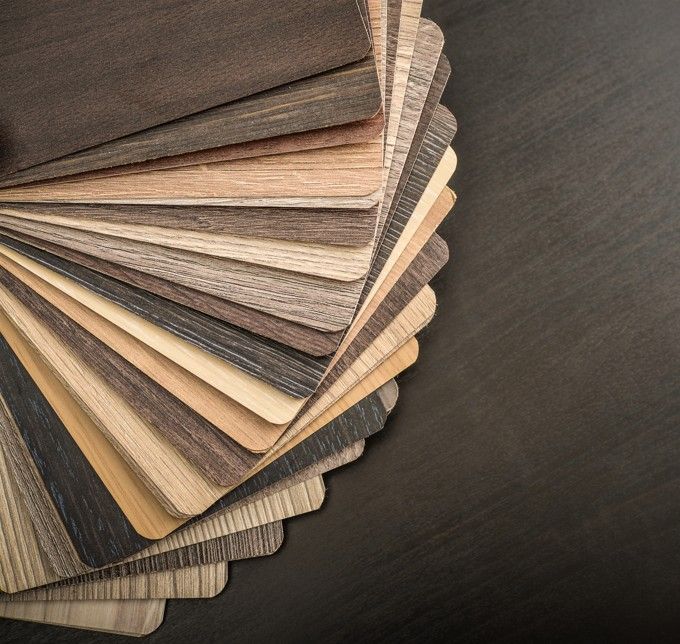
Everything you need to know about Veneered Plywood Panels. From size, grades, finish, strength, stability and which one to buy.
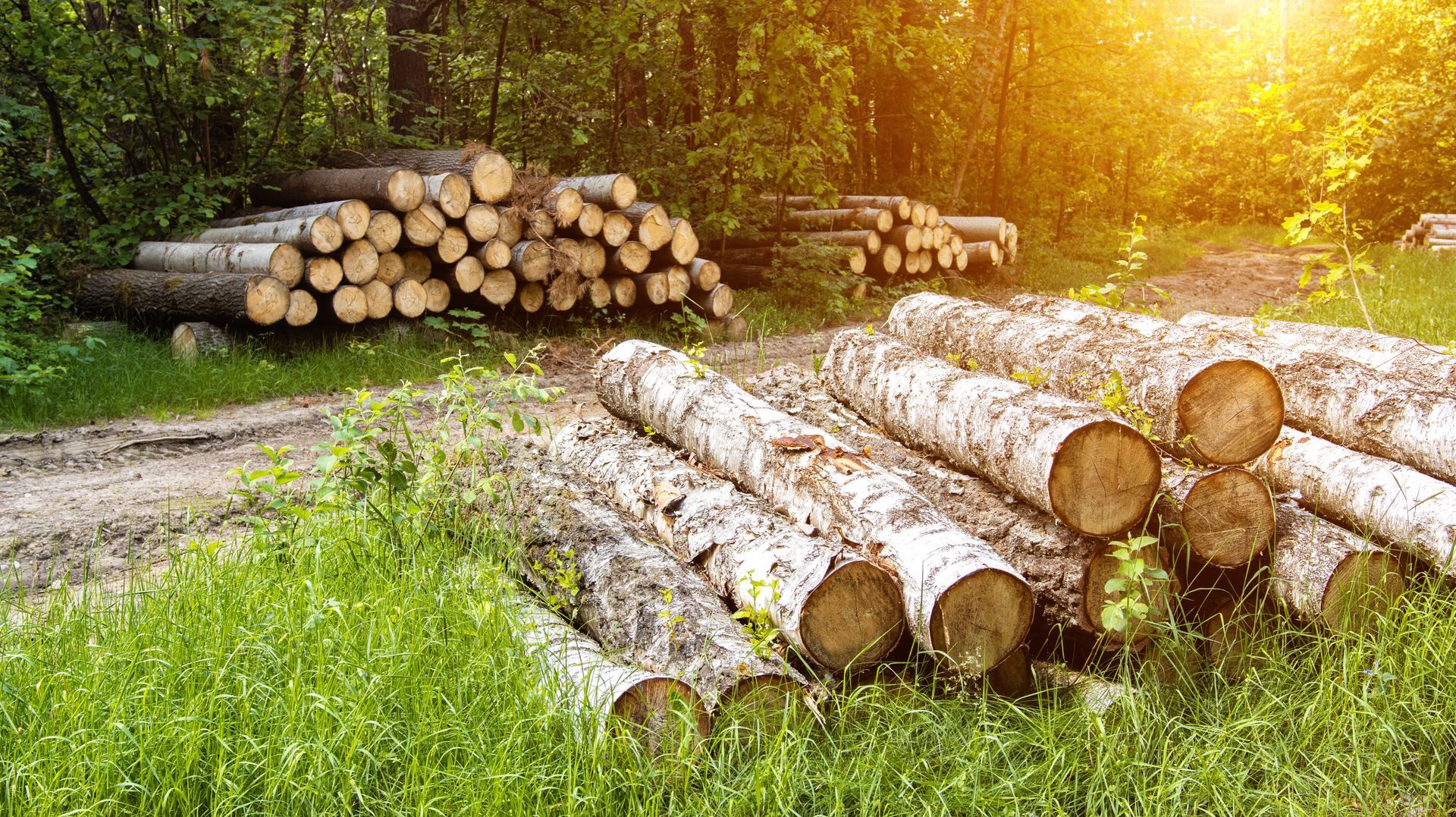
What is EUTR and UKTR? EUTR: European Union Timber Regulations UKTR: United Kingdom Timber Regulations Since Brexit and the UK leaving the EU, EUTR has been replaced with UKTR. The UKTR mandates that all timber and timber products first placed on the UK market must be legally sourced and is aimed at combatting illegal logging and promote sustainable forest management. This regulation places a significant responsibility on importers to thoroughly verify the legality of their timber and plywood supply chains, through implementation of a "due diligence" system performed on imports. In order to meet UKTR compliance, our company implements a rigorous due diligence process. This involves conducting thorough assessments of our suppliers and obtaining comprehensive documentation that verifies the legality of the timber and plywood we import. We ensure that our suppliers adhere to the laws and regulations of the countries where the wood is sourced, and we maintain transparent records of all transactions. By doing so, we not only meet our legal obligations but also contribute to the global effort to combat illegal logging and promote responsible forestry practices. A comprehensive due diligence process goes much further than checking the FSC or PEFC status of a supplier. It requires importers to assess numerous factors prior to first placing product on the UK market. The following is an abbreviated list of information that could form part of a due diligence system: Species threat assessment Country of origin corruption perception index Country of origin timber legality risk assessment Country of origin environmental performance index Country of harvest and timber species stated on all paperwork Where the risk of illegal logging in the supply chain is not negligible, further effort is required and may include obtaining & reviewing: Isotopic analysis of samples Contracts of sale throughout the supply chain Forest ownership certification Harvesting permits / logging tickets Waybills Local government websites for violations Independent audits & field visits Media searches of mills, logging companies for violations Records should be kept up to date and imports evaluated on a regular basis. The legal supply of Birch Plywood has come under enormous pressure due to an EU and UK embargo on Russian imports. Extra scrutiny is required on birch plywood imports due to an increase in illegal sources. UKTR compliant timber and plywood meets the highest standards of legality and sustainability, instilling confidence in the quality and integrity of our products. As a plywood import company, adhering to UKTR compliance is not only a legal requirement but also a fundamental aspect of our business philosophy, underscoring our dedication to ethical and sustainable sourcing.

Stay informed about the impact of UK sanctions on Russian Birch Plywood. Learn how this development affects the building industry.